
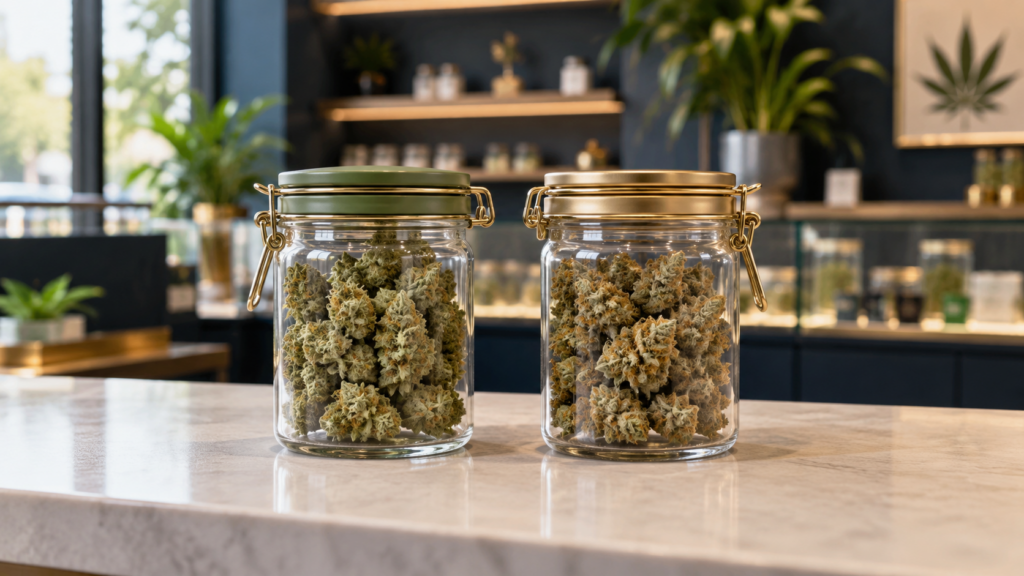
Sativa vs indica is a common way to sort cannabis, but the label does not promise one set effect. Sativa is often linked with a more active feel, while indica is often linked with a calmer feel. The real result can also depend on THC, other compounds, product type, serving size, and the person.
The sativa vs indica choice started with words used to name and sort cannabis plants. People often describe sativa plants as tall with narrow leaves. Indica plants are often said to be shorter with wider leaves. Those plant traits do not tell the full story of a finished product.
Modern cannabis has been bred many times. Plants with different family lines have been crossed for years. Because of that, a package marked sativa may not have one clear family line. The same is true for an indica label.
This sativa vs indica history explains why modern items do not fit two perfect plant boxes.
Shops still use these terms because they are simple and familiar. They can help an adult shopper begin a talk with staff. They should not be treated as a test result or a promise.
Research on commercial cannabis has found that common category names do not always match the full chemical makeup of a product. A study on the chemical diversity of commercial cannabis found weak support for a clear split among common sativa, indica, and hybrid labels.
This does not make the labels useless. It means sativa vs indica is only one clue. Two products with the same label may have different THC levels, terpene mixes, and minor cannabinoids. They may also be flower, a vape, an edible, or another form.
It also makes the sativa vs indica debate easier to understand when labels seem to conflict.
People also respond in different ways. Past use, food, other substances, body size, and setting may shape the experience. No staff member or label can guarantee how a product will feel.
THC is the main intoxicating compound in cannabis. It can change mood, thought, memory, and how a person sees time. More THC does not always mean a better choice. A high amount may raise the chance of a strong or unwanted effect.
CBD does not cause the same high as THC. Still, a CBD label does not mean a product has no risk. Products may contain both CBD and THC. The CDC guide to CBD says scientists are still learning how CBD affects the body.
When weighing sativa vs indica, check the THC and CBD amounts on the label. Compare a serving with the full package. Ask how the product should be measured. Do not use a category name in place of this basic label check.
Terpenes are scent compounds found in cannabis and many other plants. A label may list names such as myrcene, limonene, or pinene. These details can help shoppers compare smell and product makeup.
Terpenes do not guarantee a set mood or result. Research is still growing, and the whole product matters. A shopper can note which terpene mixes they liked before, but that record is personal. It is not proof that everyone will respond the same way.
The sativa vs indica label can be paired with terpene details. That gives a fuller picture than the category alone.
Product form can matter as much as the strain label. Inhaled cannabis may be felt sooner than an edible. Edibles can take much longer to reach their full effect. The New York Office of Cannabis Management warns that edible effects may take up to four hours to peak.
That timing changes how an adult should plan. Taking more too soon can lead to an unwanted result. New York advises adults to start low and go slow, especially when they are new to cannabis or have not used it for some time.
A sativa edible and a sativa flower are not equal products. The same is true for indica. Compare the form, amount per serving, and directions before making a choice.
For a fair sativa vs indica comparison, place products of the same form side by side.
A hybrid comes from cannabis lines that have been crossed. Many items sold today are hybrids in a broad family sense. Stores may call a product sativa-dominant, indica-dominant, or balanced.
These words may help show how a brand wants the product placed on a menu. They do not create an exact ratio unless the label gives one. They also do not replace lab details.
In a sativa vs indica decision, a hybrid can be useful when neither broad label fits what a shopper wants to compare. Read the package and ask what facts support the menu tag.
Start with facts that can be checked. Ask about THC per serving, CBD, product form, and the package directions. Ask if a Certificate of Analysis is available through the label link or QR code. New York regulated products must include a way to reach the lab record.
A careful sativa vs indica choice starts with those tested and printed facts.
Adults can browse Terminal 420’s Rosedale cannabis menu to compare flower, pre-rolls, vapes, concentrates, edibles, beverages, tinctures, and topicals. Stock can change, so the live menu is the best place to see current items.
Our staff can help explain the facts shown on a label. We can also help an adult shopper compare sativa vs indica choices without claiming that one item will cause a sure effect.
New York adult-use cannabis is only for people age 21 and older. The state allows an adult to possess up to 3 ounces of cannabis and 24 grams of cannabis concentrate. Buy from a licensed shop and keep each product in its closed package.
Do not use cannabis in a car, even if the car is parked. Never drive after use. Keep all products locked and away from children and pets. Do not mix cannabis with alcohol or other drugs, since this may increase impairment.
The sativa vs indica label does not change these rules. It also does not make a high-THC product safe for a new user.
No. Sativa is often sold with active or daytime words, but that is not a sure result. THC amount, other compounds, product form, serving size, and the person can all shape the effect. Treat the label as one broad clue, not a promise about energy, focus, mood, or safety.
No. Indica is often linked with calm or nighttime use, but a product can affect each person in a different way. Some indica items may also contain a high amount of THC. Read the full label and begin with a low amount if you choose to use cannabis.
Not by name alone. Hybrid describes a broad plant family or menu group. Strength is better checked through the THC amount and serving information. A hybrid can have more or less THC than a product marked sativa or indica. Compare the tested label instead of guessing from the category.
A beginner should first compare THC, CBD, serving size, product form, and label directions. Then use the category as a simple guide for questions. New York advises adults to start low and go slow. Wait long enough before taking more, and never drive or use cannabis in a vehicle.
Use the live menu to review current categories and label details, or use our contact page to plan a visit to Terminal 420 in Rosedale. Bring a valid government-issued photo ID that shows you are 21 or older.